For the first two years after the [2023 Maui Wildfires], nonprofits didn’t have to think about things like strategic plans. But now, they need to start mapping out their mission in post-disaster times and how they’ll stay afloat financially when they don’t have the kind of “unrestricted” funding they saw after the fires, Lee said.
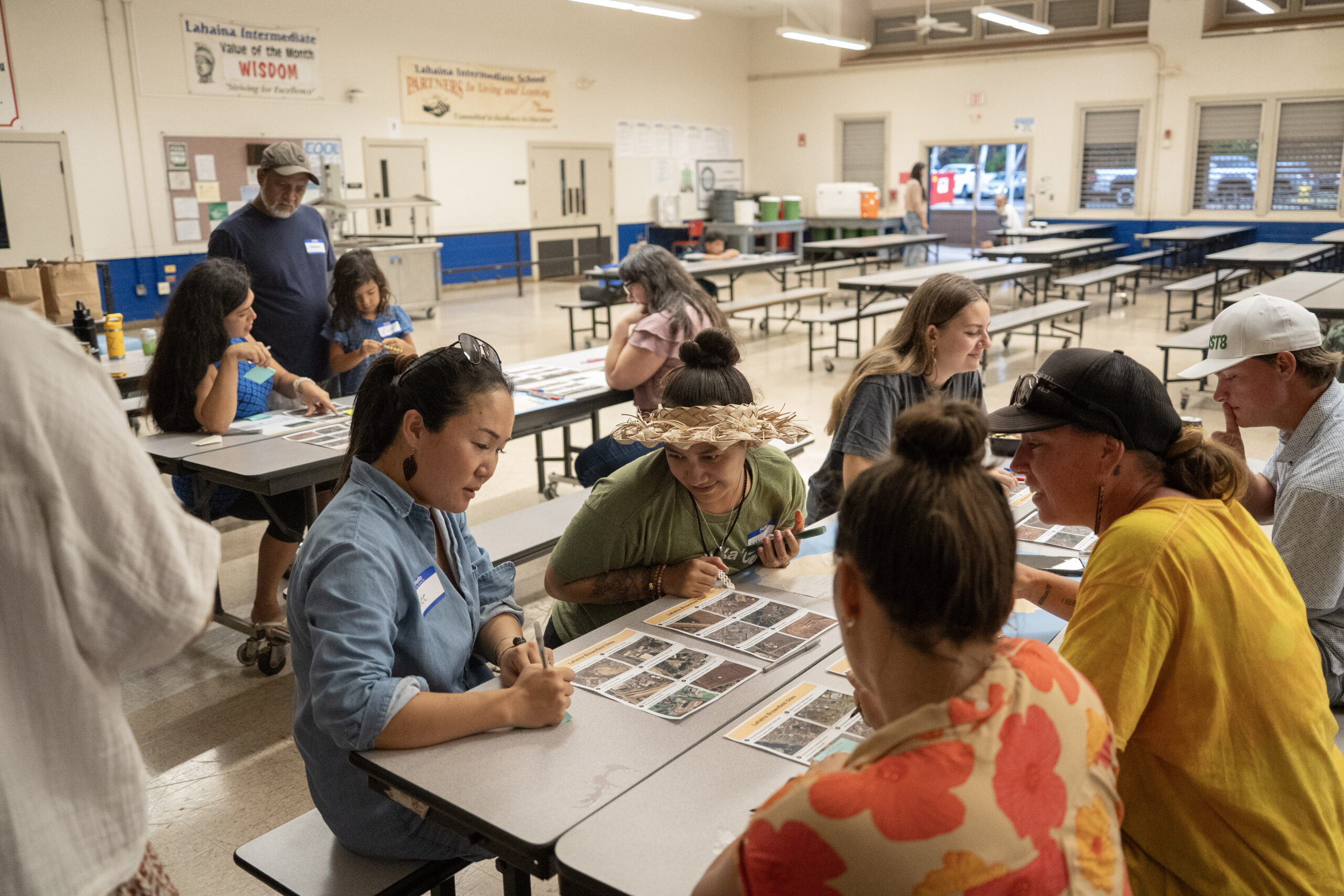
Maui United Way recently held an event to help nonprofits, especially new ones, plan their long-term strategy. For example, what would a nonprofit that was created specifically to help with the rebuild of Lahaina do after the town is rebuilt and the houses are filled? Lee asked.
Next year, Maui United Way is looking at creating cost-sharing models that would allow local nonprofits to share resources like grant writers. The organization wants to create a program called the Maui County NET: Nonprofit Emergency and Resiliency Task Force to bring together local organizations and identify needs in each sector.
“The county can still follow their rules and go at their pace, because government isn’t designed to be nimble and quick,” Lee said. “But we can be, and so this … idea is we are fast, and we can surge out money quickly. We can pre-contract food security providers, nonprofit organizations, small businesses, etc.”
Lee wants to see a general fund for nonprofits in times of need, such as when they’re waiting months for reimbursements from Maui County on work they’ve already done. Lee, who’s been in the nonprofit world for 25 years, said she used to think the solution was to fix the county. But, realizing changes would continue under every new administration, she said nonprofits need to create their own solutions.